Surrealism in Modern Art: Unveiling the Dreamscape
Surrealism is a fascinating and enigmatic movement in modern art that emerged in the early 20th century. It's a style that challenges conventional reality, inviting viewers to explore the depths of their subconscious minds. Surrealism, with its dreamlike imagery and unexpected juxtapositions, has left an indelible mark on the world of art, inviting us to question the boundaries of our imagination and embrace the unexpected. In this exploration of Surrealism in modern art, we'll delve into its history, key artists, and its enduring influence on contemporary creative expression.
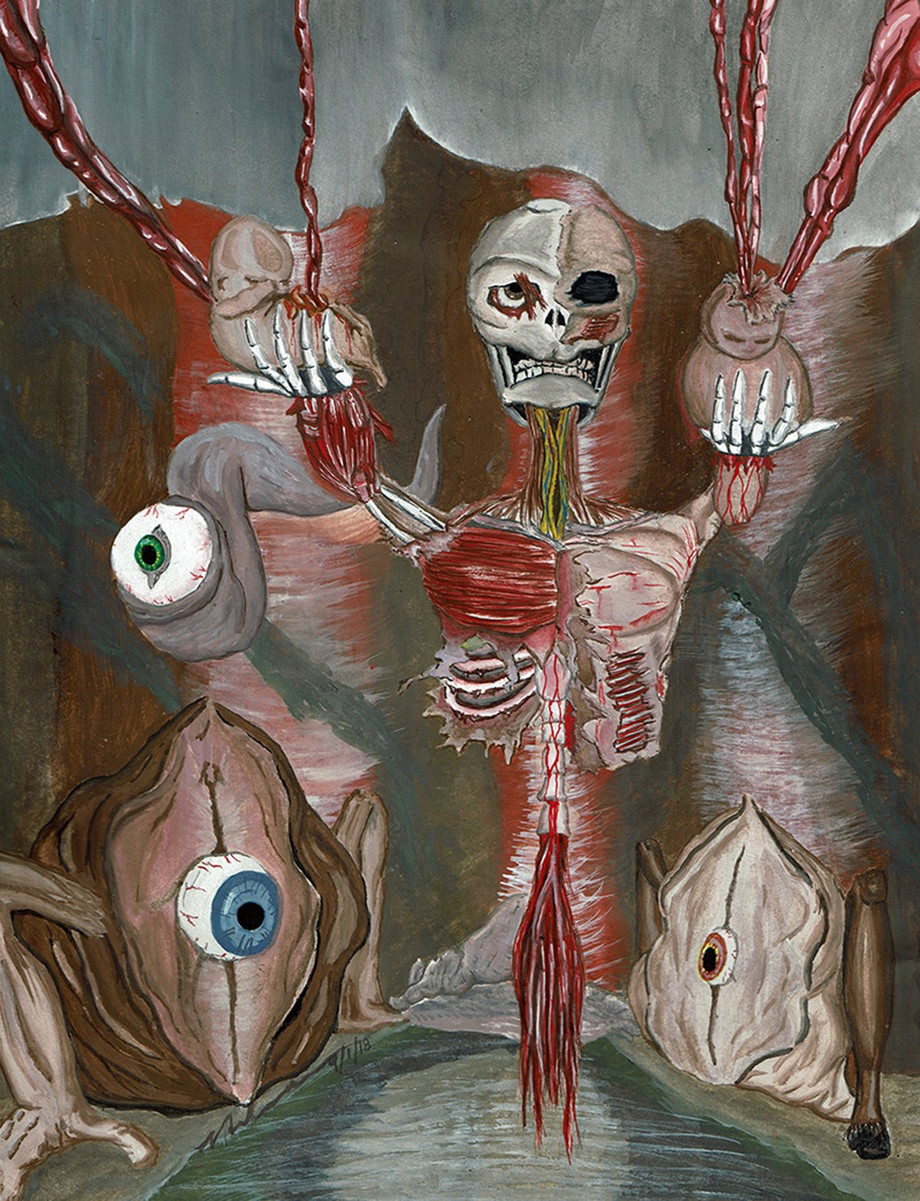
The Origins of Surrealism:
Surrealism emerged as a response to the trauma and upheaval of World War I, with its roots in the Dada movement. Led by André Breton, Surrealism aimed to channel the power of the subconscious mind to create art that defied logic and reason. Artists sought to tap into the world of dreams, where reality blurred, and the surreal took center stage.
Key Artists of Surrealism:
-
Salvador Dalí: Perhaps the most iconic figure in Surrealism, Dalí's works, such as "The Persistence of Memory," are known for their melting clocks and dreamlike landscapes. His eccentric personality matched the eccentricity of his art, making him a central figure in the Surrealist movement.
-
René Magritte: Magritte's work often featured everyday objects in unusual contexts, challenging viewers to reconsider their perceptions. "The Treachery of Images," with its famous phrase "Ceci n'est pas une pipe" (This is not a pipe), exemplifies his approach to questioning reality.
-
Max Ernst: Ernst's art often combined collage and painting techniques to create nightmarish and otherworldly scenes. His work, "The Elephant Celebes," is a striking example of his unique style.
The Surrealist Manifesto:
André Breton's "Surrealist Manifesto" (1924) outlined the movement's principles. It stressed the importance of tapping into the subconscious mind, embracing spontaneity, and creating art that was free from rational constraints. Surrealists sought to liberate the creative process from conscious control, allowing the irrational to take over.
Surrealism in Contemporary Art:
Surrealism's influence extends far beyond its early 20th-century roots. Contemporary artists continue to draw inspiration from Surrealist techniques, creating thought-provoking and visually captivating works. In the digital age, Surrealism has found new forms of expression, blending traditional art with technology to produce interactive and immersive experiences.
Conclusion:
Surrealism in modern art is a testament to the power of imagination and the human capacity to explore the unknown. It challenges us to look beyond the surface of reality and venture into the depths of our dreams and subconscious thoughts. Surrealism's enduring impact on the art world reminds us that creativity knows no bounds and that the surreal can often reveal profound truths about the human experience. As we continue to push the boundaries of artistic expression, Surrealism remains a timeless source of inspiration for artists and art enthusiasts alike, inviting us to step into the realm of the surreal and embrace the mysteries of the mind.
For More Info :-


Comments
Post a Comment